


What are employee benefits?
Definition and examples to fringe benefits in companies
Employee benefits are additional perks and incentives provided by employers beyond salary. They are designed to improve employee satisfaction, strengthen loyalty and make companies more attractive as employers.
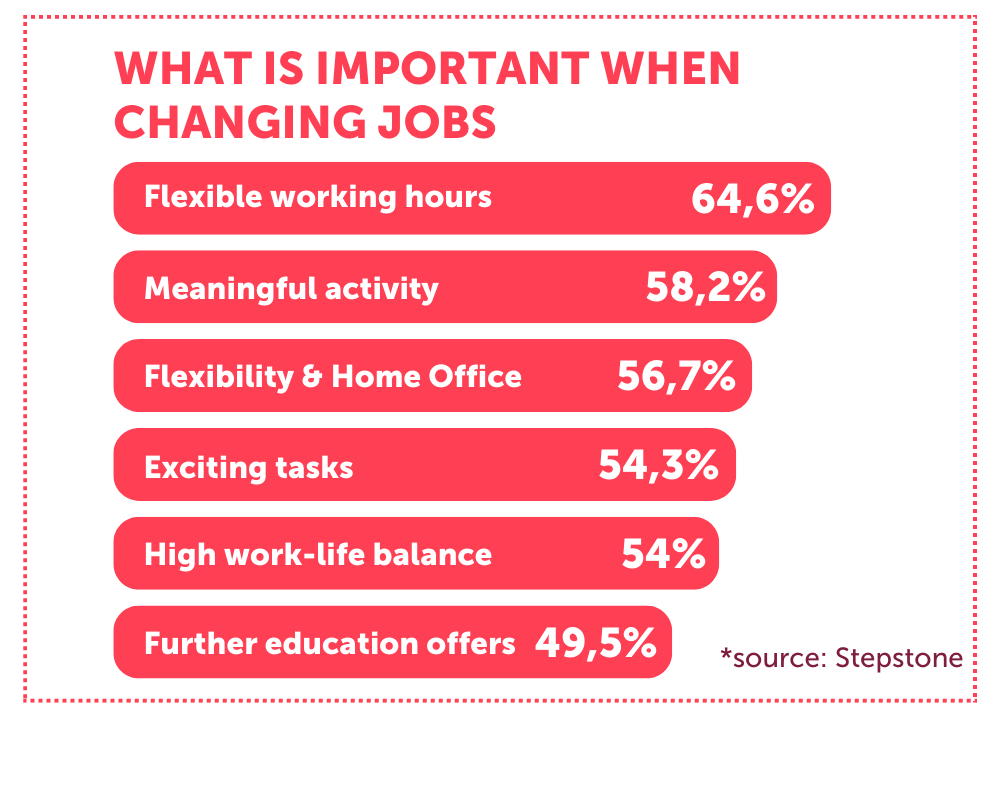
Common examples include flexible working hours, mobility benefits, health programmes, financial bonuses or professional development opportunities. According to HR studies, the yearly Schulmeister report and labour market insights from karriere.at, flexible working models, development opportunities and a positive work environment are among the most important factors employees consider when evaluating employers.
Why employee benefits are becoming more important for companies in Austria
For many years, salary was considered the most important factor when choosing a job. While pay still plays a significant role, non-monetary benefits are gaining increasing importance. Studies show that many employees are willing to accept slightly lower salaries if companies offer attractive benefits and a supportive working environment.
Research by kununu highlights that workplace culture, leadership and employee appreciation are among the most important drivers of employee satisfaction. Employer Attractiveness Monitor by Splendid Research shows: 43 percent of younger employees (Generation Y and Z) would give up their salary to receive selected benefits. By comparison, only around 25 per cent of older Generation X employees are willing to forego benefits.
It is therefore no wonder that more and more young applicants and employees are looking at advantages and benefits and not just at the salary alone. For companies, this means that benefits are no longer just “nice extras” but they have become an essential part of modern employer branding and employee retention strategies.
- Do you know how salary in Austria works? Find out more about “Urlaubsgeld” in Austria here!
On the offensive: Communicating benefits from the start
What does this mean for recruiters and HR managers? The right benefits already have an effect during the application process when searching on job portals, social media & co. If you only come up with standard phrases in recruiting and don't offer anything that is expected anyway (keyword: fruit basket), you won't even come into contact with candidates.
Therefore: Go on the offensive. Mention the benefits your company offers in job advertisements, your social media ads and in all recruiting campaigns. In this way, make your company interesting for potential applicants from the very first touchpoints.
10 Benefits that hit the mark
Advantages and benefits are not only exciting for potential new colleagues, but make the entire staff happy. We at Schulmeister Consulting know what employees value and present you with the most effective ten benefits.

FAQ: Employee benefits
Employee benefits are additional perks, services or incentives that employees receive on top of their regular salary. They can include flexible working hours, remote work, meal vouchers, mobility benefits, health programmes, pension schemes, bonuses, childcare support or professional development opportunities.
Common examples of employee benefits include occupational pension plans, further education, mobility benefits, financial bonuses, sports and fitness programmes, meal allowances, sabbaticals, flexible working hours, home office options, team events and childcare support.
Employee benefits are important because they help companies attract, motivate and retain employees. A strong benefits package can improve employee satisfaction, support work-life balance and make an employer more attractive in a competitive labour market.
Employees often value benefits that improve flexibility, financial security, health, development and work-life balance. Popular benefits include flexible working hours, remote work, training opportunities, meal vouchers, mobility support, pension schemes and health or fitness offers.
For companies in Austria, effective employee benefits often include flexible working models, further education, meal vouchers, public transport support (e.g. Klimaticket, Wiener Linien), company pension schemes, bonuses, childcare support and health or sport initiatives. The best benefits depend on the workforce, industry, company size and employee expectations.
Companies should communicate employee benefits clearly and early in the recruiting process. Benefits should be mentioned in job advertisements, career pages, social media posts and interviews. This helps candidates understand what the company offers beyond salary.
Benefits that help attract new talent include flexible working hours, remote work options, professional development, transparent salary structures, mobility benefits, health programmes and childcare support. These benefits show candidates that a company understands modern workplace expectations.
![[Translate to English:] Schulmeister Personalberatung Brandmark in Weiss auf der rechten Seite - 4 Business People CFO Future reden miteinander](/fileadmin/user_upload/CFO_Skills_Future_Schulmeister_Personalberatung_CFO_Leadership.jpg "[Translate to English:] Welche Future Skills braucht ein CFO? Schulmeister Leadership Management Personalberatung")